
Tue, 21 Apr 2026 2:00 PM - 5:45 PM
A BrainHealthX Hub and Cambridge Centre for Data-Driven Discovery event for early-career researchers in academia and industry
Interested in AI for better brain and mental health? Join us in Cambridge for an afternoon of exciting flash talks, open mic discussion sessions and networking with peers across academia and industry who are shaping the future of the field. In our interactive open mic sessions, you’ll co‑create the agenda on the day - participants propose topics, gather interest and build discussions around what matters most to them. Bring your enthusiasm, curiosity and an open mind!
Registrations for this event are now closed.
Venue
The Glasshouse @Innovate Cambridge, 100 Hills Road, Cambridge, CB2 1LQ
(building of Mills & Reeve Solicitors)
https://maps.app.goo.gl/KHjKLod7n3JSQp42A
On entering The Glasshouse @Innovate Cambridge, report to the reception desk and they will check the guest list (registration essential to attend the event), the receptionist will open the barriers, and you can take the lift to Level 1.
Programme
14:00 Registration with tea and coffee
14:15 Introduction and posting ideas for the open mic session
14:35 Flash talks
- Zahara Gironés Delgado-Urena, Department of Clinical Neurosciences, Cambridge - From benchmark to bedside: Closing the translation gap in brain health AI
- Tracy Wright, Founder Mindamp - Optimising high performing minds for industry success
- Matthew Cotton, Department of Chemistry, Cambridge - Aggregation Dynamics from Post-Mortem Snapshots
- Maya Gavin, Co-Founder Asothia; University of Oxford - Researchers Shouldn't Spend Half Their Time Looking for Money
- Dequn Teng, Department of Engineering, Cambridge - Funding the Mind: Investment Dynamics and Emergence Patterns in the Brain Health AI Startup Ecosystem
- Nina Sobierajska, Department of Clinical Neurosciences, Cambridge - The fUSiON Project: Application of wearable diffuse optical tomography (HD-DOT) and functional ultrasound (fUS) neuroimaging to map neonatal cognitive function in preterm and term babies at risk of brain injury.
15:25 Break
15:50 Open mic session
16:45 Networking with refreshments
Organising committee
Dr Máiréad Healy, Dr Liz Yuanxi Lee, Dr Rachel Sippy, BrainHealthX Hub & C2D3
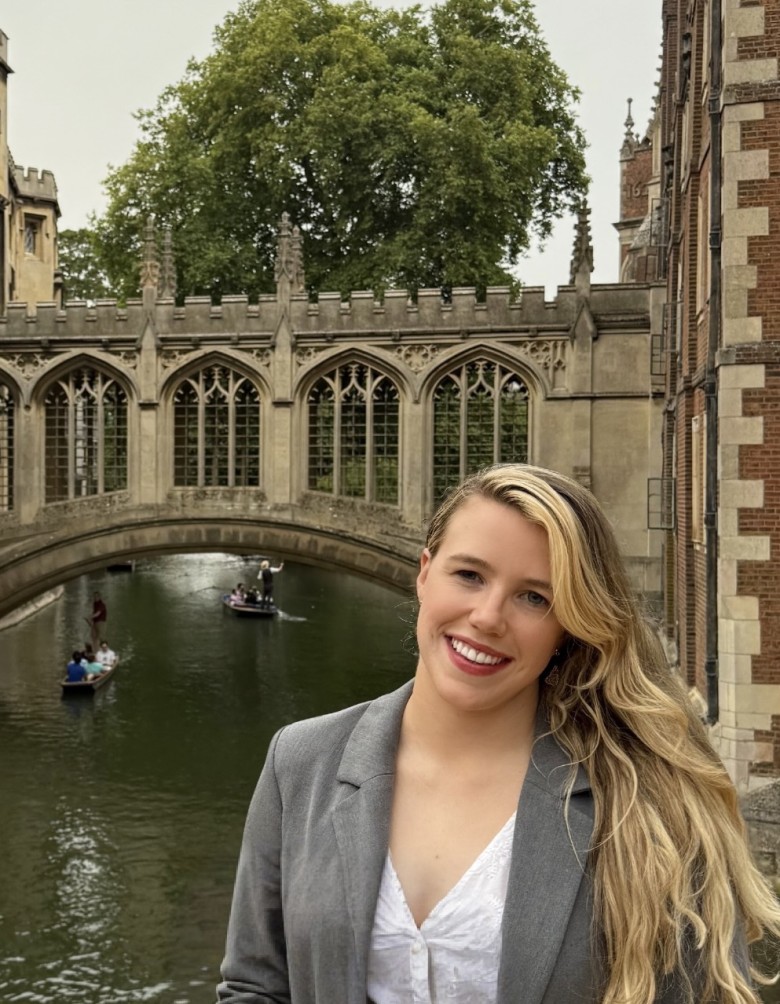
Máiréad Healy
Máiréad Healy, PhD is a Postdoctoral Research Fellow in AI and Mental Health at the University of Cambridge, where she is an Accelerate Science C2D3 recipient on a project applying machine learning to large-scale brain developmental data for early risk detection. Her research focuses on why brains and AI systems compute the right signals but fail to act on them and how to build architectures that close that gap. Her doctoral work with Professor Trevor Robbins used 7T neuroimaging and novel metacognitive paradigms to uncover how neurochemical imbalances disrupt the translation of insight into action in OCD. She has contributed to clinical trials, including the first study of psilocybin for OCD in the UK, and collaborates across computational psychiatry, bio-inspired engineering, and computer science.
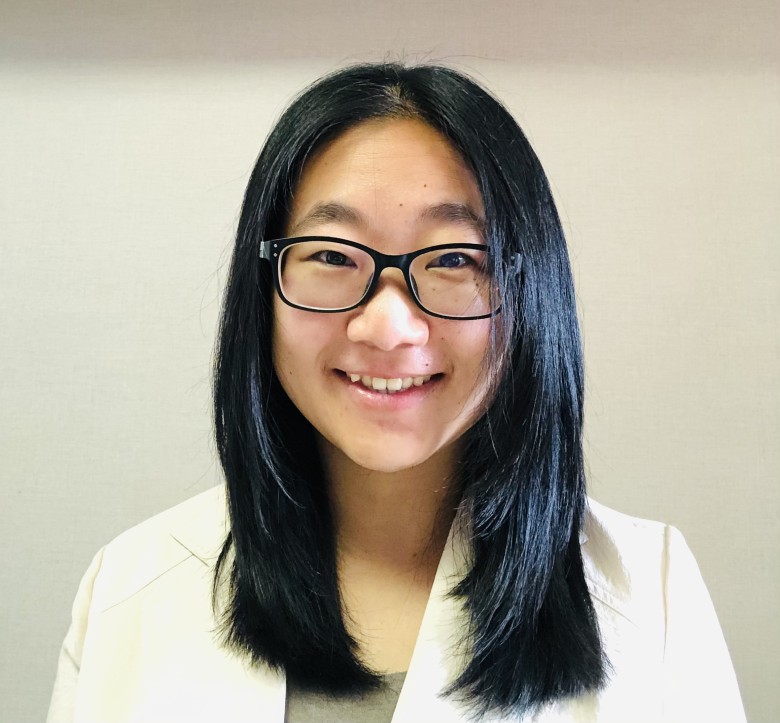
Liz Yuanxi Lee
Dr Liz Yuanxi Lee is a Gates Sr. Fellow with the Alzheimer’s Disease Data Initiative and Early Career Scientific Lead at the BrainHealthX Hub. She is an early-career researcher in the Department of Psychology at the University of Cambridge, working at the intersection of artificial intelligence and neurodegenerative disease. Her research develops interpretable, multimodal machine learning approaches to improve the prediction and stratification of Alzheimer’s disease by integrating neuroimaging, cognitive, plasma biomarker, and risk factor data. She is particularly interested in leveraging everyday accessible data and translating trustworthy and explainable AI methods into clinically meaningful, scalable tools that support earlier detection.
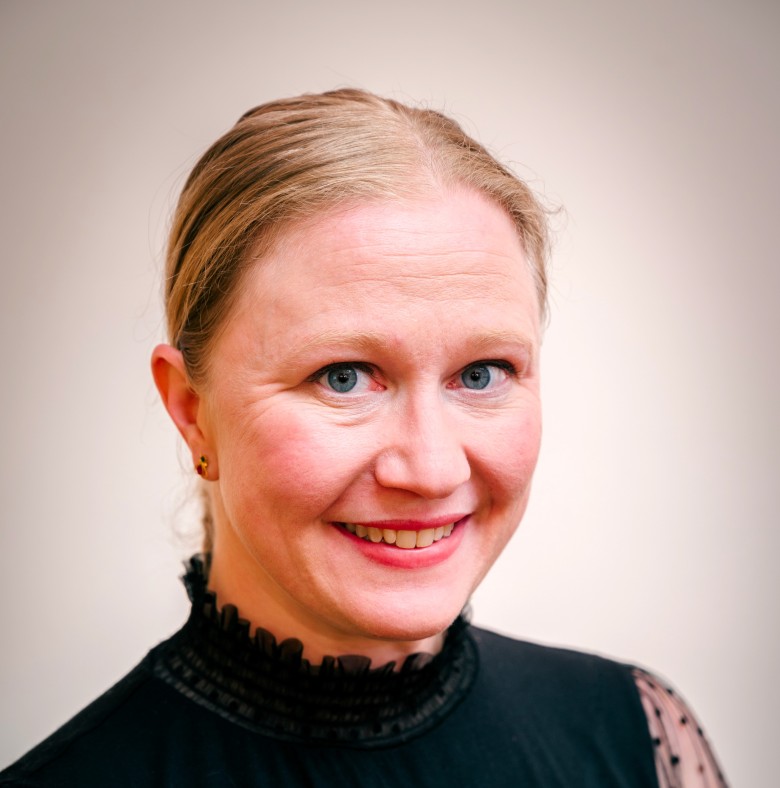
Rachel Sippy
Dr Rachel Sippy is a JRF conducting epidemiologic research focusing on the drivers and determinants of infectious disease seasonality and dynamics, primarily focusing on dengue fever and other mosquito-borne arboviruses.
Data are a critical scientific resource, integral to the scientific process. Technological improvements have increased the precision of our measurements as well as our ability to generate and store data – but has this improved our science? Dr Sippy’s epidemiologic research focuses on the drivers and determinants of infectious disease seasonality and dynamics, primarily focusing on dengue fever and other mosquito-borne arboviruses. This work uses a combination of phylogenetic analyses and statistical modelling. Additional work on this topic has examined the role of climate and the environment at different scales, including microclimates and household-level built environments. She is also interested in the use of machine learning for prediction models of clinical outcomes among patients with dengue or environmental exposures impacting mosquito abundance. Within the context of complex environmental factors and vector-borne disease, methods of variable measurement must be carefully considered, as a relationship between variables may only reveal itself at particular scales.
Dr Sippy is also interested in the practical implications of epidemiological research, having conducted fieldwork in Ecuador. These projects included a series of trials to examine potential household interventions to reduce mosquito populations, surveillance of acute febrile illness, monitoring seasonal mosquito and tick population levels, climate and environmental monitoring, and clinical trials of chikungunya vaccine.
Dr Sippy advocates for improvements in the teaching of and communication regarding epidemiology, data, and statistics, both in formal classrooms and to the general public. Examples include public outreach events on the life stages of important disease vectors and creating clinical guidelines for tick-borne illnesses in Ecuador, as well as courses/workshops on computing for epidemiology/statistics, statistical modelling, machine learning, data management, and data visualization. She also serves as co-chair of the Communications Committee of the Society for Epidemiologic Research.